Concrete Retaining Walls vs Concrete Poured Walls: What’s the Difference?
If you're looking to build a retaining wall or poured concrete wall, local contractors can help you choose the right type and ensure proper installation for your needs.
If you’re exploring options to enhance your property’s landscape or improve its stability, understanding the differences between concrete retaining walls and concrete poured walls is an important first step. Many property owners in the area find themselves weighing these choices when planning projects like terracing slopes, creating level yard spaces, or supporting garden beds. By gaining clarity on how each option functions and their practical benefits, you can make more informed decisions. Local contractors specializing in retaining wall and concrete wall installation can provide insights tailored to your specific needs, ensuring the right solution for your property.
Continuing to learn about concrete retaining walls versus concrete poured walls can reveal how each type suits different structural and aesthetic goals. Whether you need a sturdy barrier to hold back earth or a sleek, continuous wall for a foundation or decorative feature, the right choice depends on various factors. Property owners often turn to experienced local service providers to help evaluate these factors and recommend the most suitable approach. Keep reading to discover more about these options and how local experts can assist in bringing your project to life with quality installation services.
Get Quotes for Retaining Wall And Concrete Poured Wall Installation
- Retaining wall installation - needed when landscape slopes require support to prevent erosion and shifting, with local contractors customizing designs to suit terrain.
- Concrete poured wall installation - suitable for creating sturdy foundation or basement walls, with service providers focusing on precision and structural integrity.
- Retaining wall construction - required for tiered landscaping or hillside stabilization, where local pros often use block or stone materials for durability.
- Concrete poured wall installation - used for large, continuous walls that demand seamless strength, with local contractors ensuring proper formwork and curing.
- Retaining wall installation - ideal for defining garden borders or creating level areas, with local service providers offering tailored solutions based on site conditions.
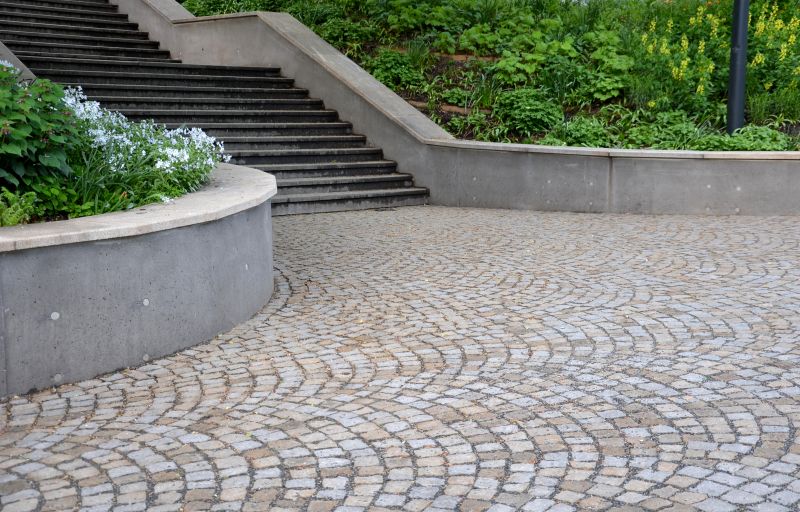
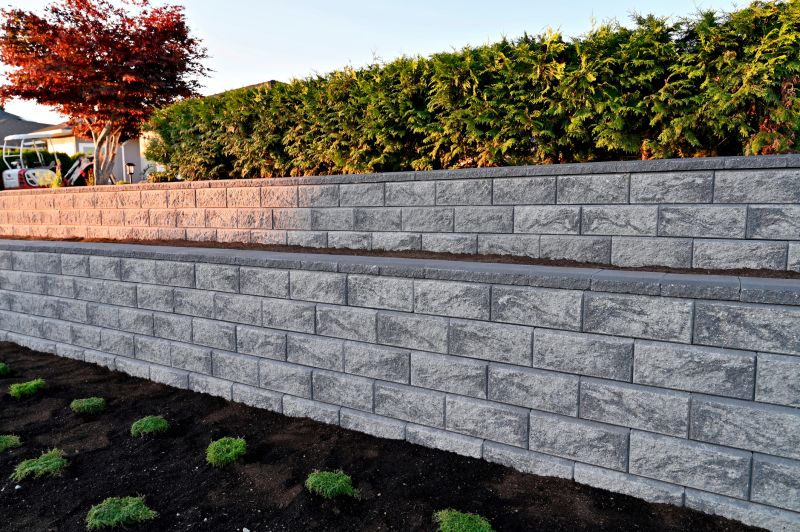
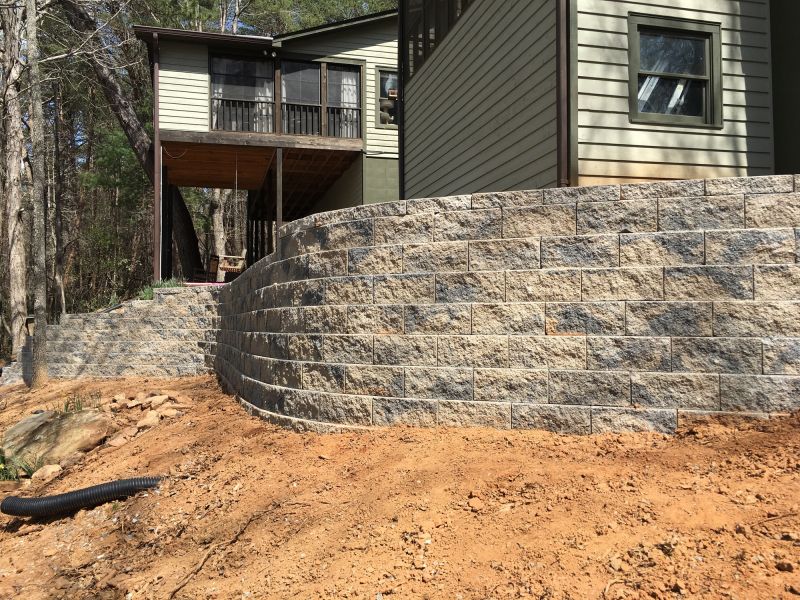
When homeowners search for information about concrete retaining walls versus concrete poured walls, they often want to understand the fundamental differences between these two types of structures. Typically, the inquiry stems from plans to improve outdoor spaces, manage soil erosion, or create level areas on sloped properties. These projects are common in residential settings where properties feature uneven terrain, hillside gardens, or need to support landscaping features. Homeowners may also be exploring options for building terraces, garden beds, or boundary walls, and want to know which type of concrete structure best suits their specific needs. Understanding the distinctions helps in making informed decisions about durability, appearance, and how the walls will integrate with the overall property design.
The choice between concrete retaining walls and concrete poured walls often relates to specific problems or project goals. Retaining walls are primarily used to hold back soil and prevent erosion, especially on sloped or uneven land. They are designed to withstand lateral earth pressure and often serve as functional landscape features. Concrete poured walls, on the other hand, are typically used as foundation walls or structural enclosures, providing vertical support for buildings or other large structures. When planning a landscape or property upgrade, homeowners might need a retaining wall to create level outdoor spaces or prevent soil movement, while poured walls might be part of a basement foundation or structural enclosure. Local contractors can help evaluate which type of wall is suitable for the specific challenges or plans involved.
Properties that usually involve these different concrete wall types tend to fall into distinct categories. Retaining walls are common on properties with significant elevation changes, such as hillside homes, terraced gardens, or properties with uneven yards. They are often built with materials like concrete blocks, natural stone, or segmental units, but can also be poured concrete. Poured concrete walls are more frequently seen in properties with basements, underground parking, or structural foundations that require strong, continuous vertical support. These structures are often found in residential developments, commercial buildings, or properties where a durable, seamless wall is needed. Local service providers specializing in concrete work can assess the property’s terrain and structural needs to recommend the best type of wall for each project.
Understanding how these concrete walls relate to real property projects helps homeowners see their practical applications. Retaining walls are typically part of landscape design or soil management plans, helping to create usable outdoor spaces on sloped land. They also serve to prevent soil erosion and water runoff issues. Concrete poured walls are essential for foundational support, especially in constructing basements or below-grade structures, ensuring stability and longevity. When considering these options, homeowners often work with local contractors who can evaluate their property’s unique characteristics and recommend appropriate solutions. These professionals bring experience in installing both types of walls, ensuring the structures are built to withstand environmental conditions and meet the specific needs of the property.
Landscape construction projects - local contractors often handle landscape features that require precise concrete work, such as planters, steps, and decorative walls, which share skills with retaining and poured wall installations.
Foundation and footing services - installing foundations involves similar planning and concrete pouring techniques as poured walls, making these projects related in skills and tools used.
Driveway and sidewalk installations - these surface projects utilize concrete pouring methods comparable to those used in creating poured walls, requiring expertise in formwork and finishing.
Erosion control and drainage solutions - constructing systems like drainage channels or erosion barriers involves concrete work that parallels the techniques used in retaining wall construction.
Structural concrete services - local pros performing structural concrete work, such as beams or slabs, share foundational skills with the installation of poured walls and retaining structures.
Retaining wall repair and reinforcement - fixing or reinforcing existing retaining walls often involves similar assessment and concrete techniques as initial wall installation projects.
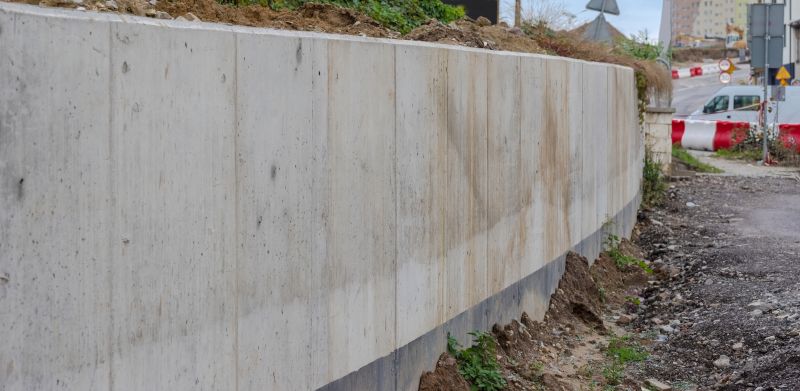
When comparing contractors for concrete retaining walls versus concrete poured walls, it’s important to consider their experience with similar projects. Homeowners should inquire about the types of retaining wall or poured wall projects the service providers have completed in the past. A contractor’s familiarity with the specific requirements, challenges, and best practices for each type of wall can influence the quality and durability of the finished work. Service providers who have successfully handled comparable projects are more likely to understand the nuances involved, whether it’s soil conditions, wall height, or structural considerations, ensuring the installation meets the homeowner’s needs.
Clear written expectations are essential when evaluating local contractors for these types of walls. Homeowners should seek detailed proposals that outline the scope of work, materials to be used, and the estimated process. Having a comprehensive understanding of what the project entails helps prevent misunderstandings and ensures that both parties are aligned on the deliverables. Reputable service providers typically provide transparent documentation, which can serve as a reference throughout the project, making it easier to address any questions or concerns that might arise during installation.
Reputable references and effective communication are key factors in choosing the right contractor for concrete retaining walls and poured walls. Homeowners are encouraged to ask for examples of completed projects or references from previous clients to gauge the quality of work and reliability. Good communication from the service provider ensures that questions are answered promptly and that expectations are managed throughout the project. This ongoing dialogue can help homeowners feel more confident in their choice of local contractor, knowing they’re working with someone who values transparency and understands the importance of clear, consistent communication in successful project execution.
Get a Quote for Retaining Wall And Concrete Poured Wall Installation
Property owners often search for concrete retaining walls vs concrete poured walls: what’s the difference? when they are planning practical projects around their homes and businesses. Local pros provide Retaining Wall and Concrete Poured Wall Installation services for everyday jobs and straightforward project options.
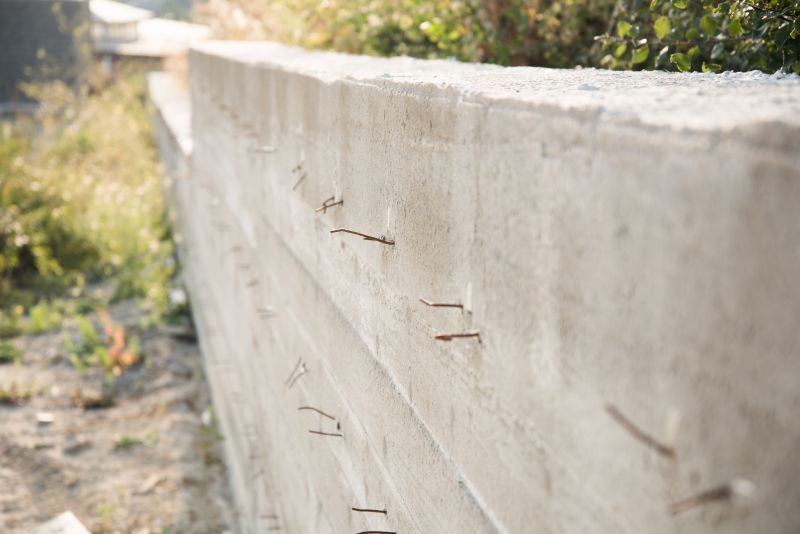
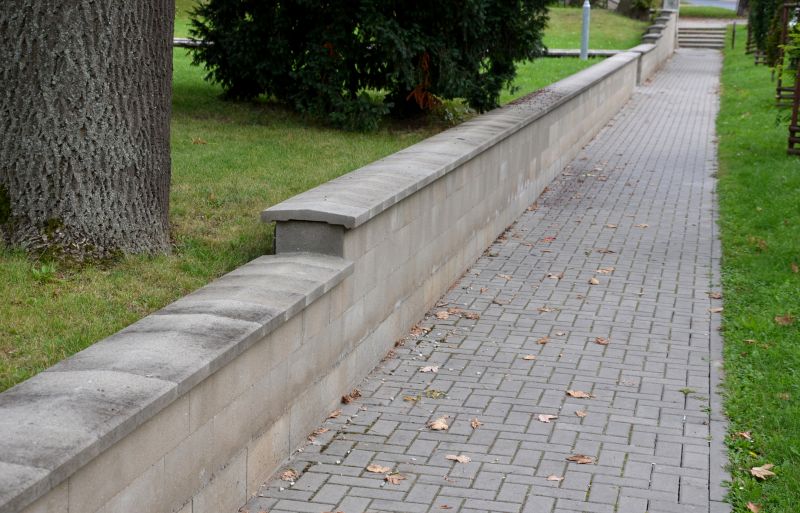
Homeowners often look into concrete retaining walls vs concrete poured walls to address specific landscaping or structural needs around their properties. For example, a property owner might want to prevent soil erosion on a sloped yard or create a defined garden space, prompting them to consider installing a retaining wall. In such cases, local contractors can provide guidance on which type of wall best suits the project, offering options that balance durability, appearance, and functionality.
On the other hand, those planning to build or reinforce foundation walls or create a smooth, seamless look for a basement or other interior space might explore concrete poured walls. These walls are often chosen for their strength and clean finish. Local service providers experienced in concrete poured wall installation can help assess the scope of the project, ensuring the right approach is taken for long-lasting results. Whether for retaining purposes or structural support, connecting with local pros can help property owners make informed choices based on their specific project needs.
Get a Quote for Retaining Wall And Concrete Poured Wall Installation
What is the main difference between concrete retaining walls and concrete poured walls? Concrete retaining walls are specifically designed to hold back soil and prevent erosion, while concrete poured walls are typically used as foundation walls for buildings. Local contractors can help determine which type suits your project needs best.
Are concrete retaining walls more suitable for landscaping projects than poured walls? Yes, concrete retaining walls are often chosen for landscaping to create terraces or level areas, whereas poured walls are primarily used as structural elements in building foundations. Local service providers can advise on the best option for your landscape design.
Can concrete poured walls be used for retaining purposes? While concrete poured walls can sometimes serve as retaining walls, they are generally designed for foundation support. For retaining purposes, prefabricated or poured retaining walls are typically more effective; local pros can help assess your project.
What factors should be considered when choosing between these two types of concrete walls? Factors include the purpose of the wall, soil conditions, load requirements, and aesthetic preferences. Local contractors can evaluate your site to recommend the most appropriate solution.
How do installation processes differ between concrete retaining walls and poured walls? Retaining walls often involve constructing formwork and stacking units or pouring concrete into forms, while poured walls require forming and pouring concrete into molds for foundation or structural walls. Local pros handle both installation types efficiently based on project specifications.
Understanding material differences - property owners can discuss with local contractors which type of wall better suits their soil conditions and aesthetic preferences.
Assessing project scale - choosing between retaining walls and poured walls depends on the size and purpose of the property’s landscape features.
Considering installation methods - property owners can learn how local service providers handle the construction process for each wall type to ensure durability.
Matching design goals - consulting with local pros helps align the choice of wall type with the overall look and functionality desired for the property.
If you are thinking about concrete retaining walls vs concrete poured walls: what’s the difference? for a property, this guide is meant to help you understand this topic, the typical project types, and how different options might fit your plans.
When you are ready, you can use the quote form on this page to share a few details about your project. From there, local pros can review the basics and follow up with options that match what you have in mind.
Get a Quote for Retaining Wall And Concrete Poured Wall Installation