Common Problems With Aging Concrete Retaining Walls
People seeking concrete retaining walls repair are often trying to fix cracks, leaning, or deterioration, and local contractors can provide expert solutions to restore stability and safety.
Aging concrete retaining walls are a common feature in many properties, especially in areas with hilly or uneven terrain. Over time, these structures can develop issues that compromise their stability and appearance, making it important for property owners to stay informed about potential problems. Recognizing signs like cracking, shifting, or water drainage issues early on can help prevent more extensive damage and costly repairs down the line. Local contractors specializing in concrete retaining wall repair are experienced in addressing these common problems, helping property owners maintain the safety and functionality of their landscapes.
Understanding the typical challenges faced by aging concrete retaining walls encourages proactive maintenance and timely repairs. Whether it’s addressing erosion around the base, fixing cracks that threaten structural integrity, or restoring displaced sections, skilled service providers can evaluate the condition of a wall and recommend effective solutions. Staying aware of these common issues ensures property owners are better prepared to keep their retaining walls in good condition, with local professionals ready to assist in restoring strength and stability whenever needed.
- Concrete retaining walls repair services are often needed when cracks develop due to shifting soil or settling foundations, and local contractors can assess and reinforce the structure. When signs of bowing or leaning appear, experienced service providers evaluate the cause and implement stabilization solutions. Deterioration from freeze-thaw cycles or water damage can lead to spalling, with local pros offering patching and sealing repairs to restore integrity. If drainage issues cause water buildup behind the wall, local contractors can install or repair drainage systems to prevent further damage. Bulging or displacement of the wall may require professional underpinning or reinforcement to maintain stability.
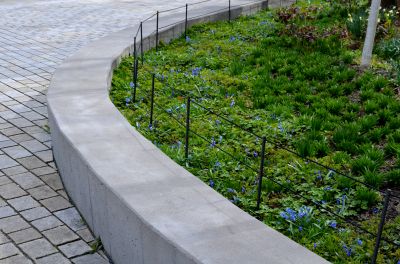
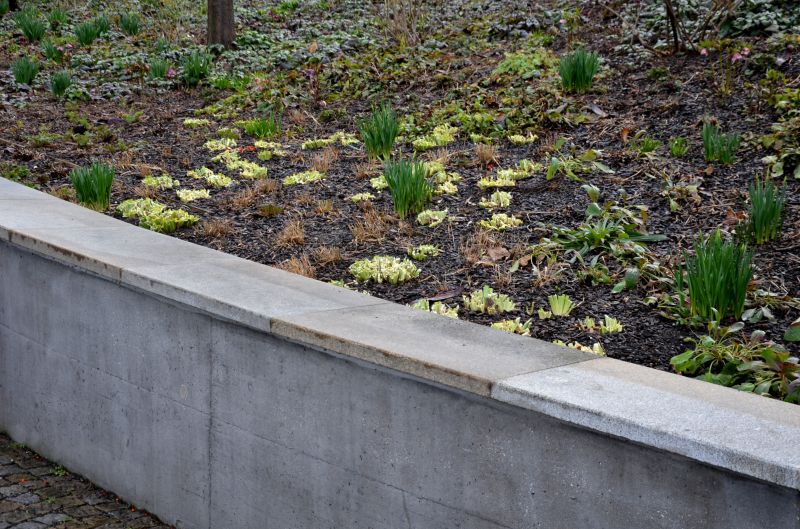
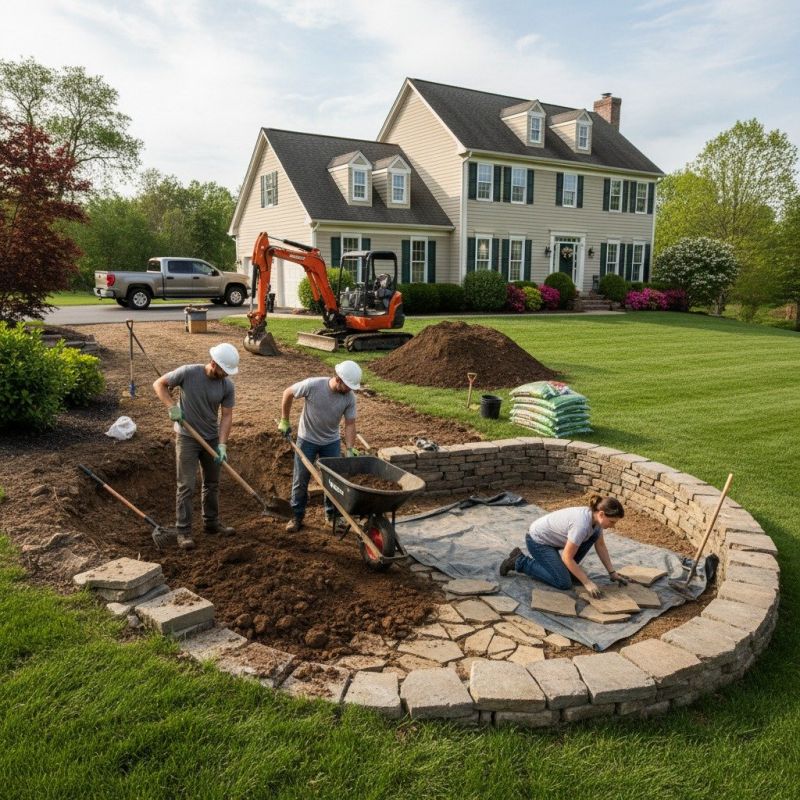
When people search for common problems with aging concrete retaining walls, they are often trying to understand why their retaining wall is showing signs of deterioration or instability. Over time, concrete walls can develop issues that compromise their structural integrity and safety. Homeowners might notice cracks, leaning, or bulging sections, which can signal underlying problems that need attention. These concerns are usually connected to the aging process of the wall, exposure to weather conditions, or shifts in the soil behind or beneath the structure. Recognizing these signs early can help property owners determine whether repairs or replacements are necessary to maintain the stability of their landscape or property boundaries.
This topic often relates to projects aimed at repairing or reinforcing existing retaining walls that have begun to fail or show signs of wear. Common problems with aging concrete retaining walls include cracking, which can occur from natural settling or freeze-thaw cycles, and displacement, where sections of the wall lean or bow outward. Additionally, water infiltration can weaken the concrete and lead to erosion behind the wall, increasing the risk of collapse. Homeowners may also be concerned about the aesthetic impact of these issues, especially if the wall is a prominent feature of their yard. Understanding these problems helps property owners decide whether to seek repairs or consider rebuilding, and it emphasizes the importance of consulting local contractors experienced in concrete wall repair.
Retaining walls are frequently found in properties with sloped landscapes, terraced gardens, or properties that require soil retention for stability. They are common on residential lots with uneven terrain, especially in hilly or mountainous regions. Commercial properties and public spaces with landscaped embankments may also have concrete retaining walls that age over time. These structures are built to last but are subject to deterioration due to environmental factors and soil movement. As a result, property owners of all types-whether they own a residential yard or manage larger commercial sites-may encounter problems with aging concrete retaining walls that necessitate professional assessment and repair services to prevent further damage.
Local contractors who specialize in concrete retaining wall repair play a crucial role when addressing common problems associated with aging structures. They can evaluate the condition of a wall, identify issues like cracking, shifting, or water damage, and recommend appropriate solutions. Repairs may involve patching cracks, reinforcing weakened sections, or installing drainage improvements to reduce water pressure behind the wall. In some cases, replacing sections or rebuilding the entire wall might be necessary to restore stability and safety. Property owners should seek out experienced service providers who understand the specific challenges of aging concrete walls in their area, ensuring that repairs are effective and long-lasting. Connecting with the right local pros can help property owners maintain the safety and appearance of their landscape while preventing more extensive structural issues down the line.
Retaining wall construction - building new retaining walls involves similar planning and foundational work as repairing aging concrete walls, requiring knowledge of soil and drainage considerations.
Concrete demolition and removal - removing damaged or deteriorated concrete structures shares techniques with tearing out compromised sections of aging retaining walls.
Foundation stabilization projects - addressing foundation issues related to retaining walls involves expertise in soil mechanics and structural support, relevant to fixing common problems with aging walls.
Drainage system installation - installing or repairing drainage solutions is crucial for preventing water-related issues that contribute to aging concrete wall problems.
Soil excavation and grading - preparing the site through excavation and grading is often necessary before repairing or reinforcing aging retaining walls.
Structural reinforcement services - adding reinforcement to existing structures involves similar skills used in repairing and strengthening aging concrete retaining walls.
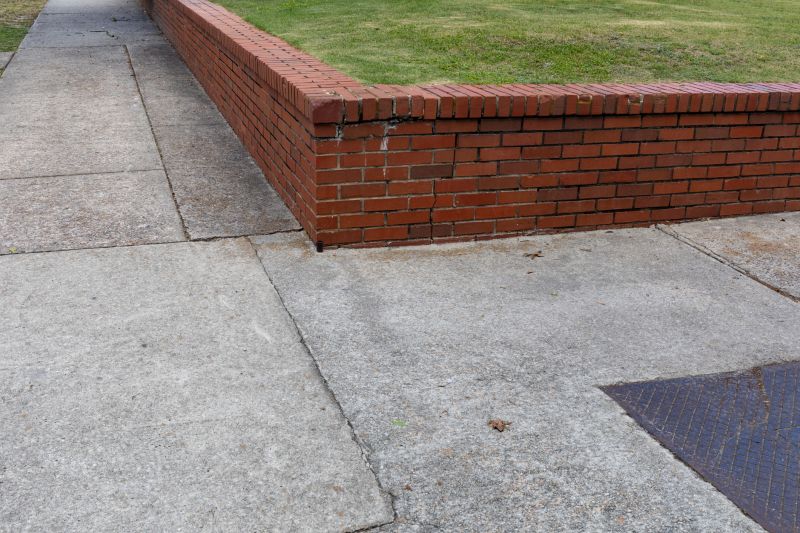
When evaluating contractors for concrete retaining wall repair, it’s important to consider their experience with similar projects. Homeowners should seek out service providers who have a proven track record of addressing common problems with aging concrete retaining walls, such as cracking, shifting, or water damage. An experienced contractor will be familiar with the specific challenges these issues pose and will have developed effective solutions over time. This familiarity can help ensure that repairs are durable and appropriate for the type of damage present, reducing the likelihood of recurring problems down the line.
Clear and detailed written expectations are essential when comparing local contractors. Homeowners should look for providers who can articulate their approach to diagnosing issues, the scope of work involved, and the steps needed to restore the wall’s stability and appearance. Transparent communication about what the repair process entails helps prevent misunderstandings and ensures that everyone is on the same page regarding project outcomes. Service providers who are willing to provide thorough explanations and written estimates demonstrate professionalism and a commitment to transparency, which can be a valuable indicator of quality work.
Reputable references and good communication are key factors in selecting a reliable contractor. Homeowners should consider seeking recommendations or reviews from previous clients to gauge the quality of the work and the contractor’s ability to manage projects smoothly. Additionally, responsive and clear communication during the inquiry process can reveal how well a service provider listens and addresses concerns. Choosing local contractors who prioritize open dialogue and have positive references can lead to a more straightforward repair experience, ensuring that issues with aging concrete retaining walls are handled effectively and efficiently.
Property owners often search for common problems with aging concrete retaining walls when they are planning practical projects around their homes and businesses. Local pros provide Concrete Retaining Walls Repair services for everyday jobs and straightforward project options.
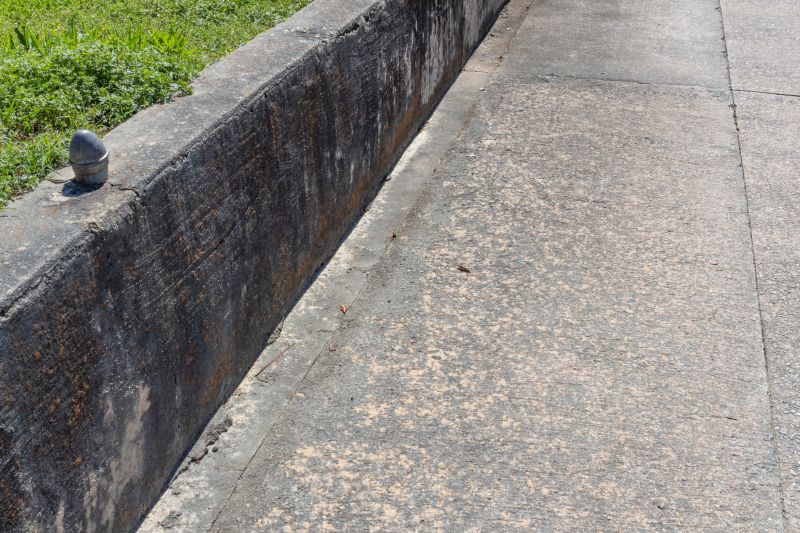
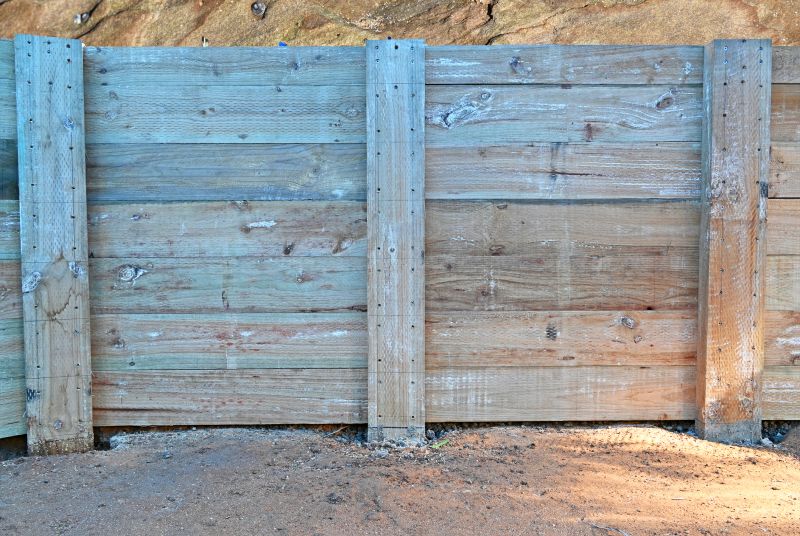
Many property owners notice that their aging concrete retaining walls begin to show signs of wear over time, prompting concerns about stability and safety. Common problems with aging concrete retaining walls include cracking, shifting, and surface deterioration, often caused by exposure to moisture, soil pressure, or temperature fluctuations. These issues can lead to unsightly appearances and, more importantly, potential structural failure if not addressed promptly. Homeowners and business owners in the area frequently seek out local contractors who specialize in retaining wall repair to evaluate the damage and recommend appropriate solutions to restore stability and appearance.
Understanding the typical problems associated with aging concrete retaining walls helps property owners recognize when repairs may be needed. Cracks and bulges can develop gradually, sometimes unnoticed until they become more severe. Soil erosion behind the wall or water infiltration can weaken the structure, leading to leaning or even collapse. When these issues arise, reaching out to experienced service providers can ensure that repairs are handled properly to prevent further damage. Local contractors can assess the condition of the wall and provide the necessary repair services to maintain the integrity and safety of the property.
What are common signs of damage in aging concrete retaining walls? Signs include cracking, leaning, bulging, or water seepage, which may indicate structural issues that require repair by experienced contractors.
Why do concrete retaining walls often develop cracks over time? Cracks can result from soil pressure, freeze-thaw cycles, or settlement, and local contractors can assess and repair these issues to restore stability.
How can water damage affect aging concrete retaining walls? Water infiltration can weaken the concrete and cause erosion or cracking; repair specialists can address drainage problems and reinforce the wall.
What causes leaning or bulging in concrete retaining walls? Soil movement, inadequate reinforcement, or deterioration can lead to leaning or bulging, which can be corrected by qualified repair service providers.
When is it necessary to replace an aging concrete retaining wall? Replacement may be needed if the wall has extensive cracking, severe leaning, or structural failure that cannot be effectively repaired by local contractors.
Structural damage assessment - property owners can evaluate signs of shifting or cracking in aging concrete retaining walls and seek repair services from local contractors to restore stability.
Drainage improvement strategies - addressing water buildup around walls by consulting local pros for proper drainage solutions can prevent further deterioration.
Crack and surface repair - identifying surface cracks early and working with local repair specialists can help maintain the wall’s integrity and appearance.
Reinforcement options - considering reinforcement methods with local contractors can extend the lifespan of aging concrete retaining walls and prevent future problems.
If you are thinking about common problems with aging concrete retaining walls for a property, this guide is meant to help you understand this topic, the typical project types, and how different options might fit your plans.
When you are ready, you can use the quote form on this page to share a few details about your project. From there, local pros can review the basics and follow up with options that match what you have in mind.